






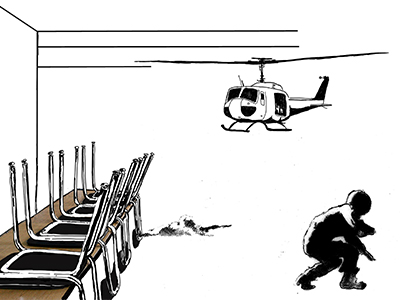

NEW RELEASES
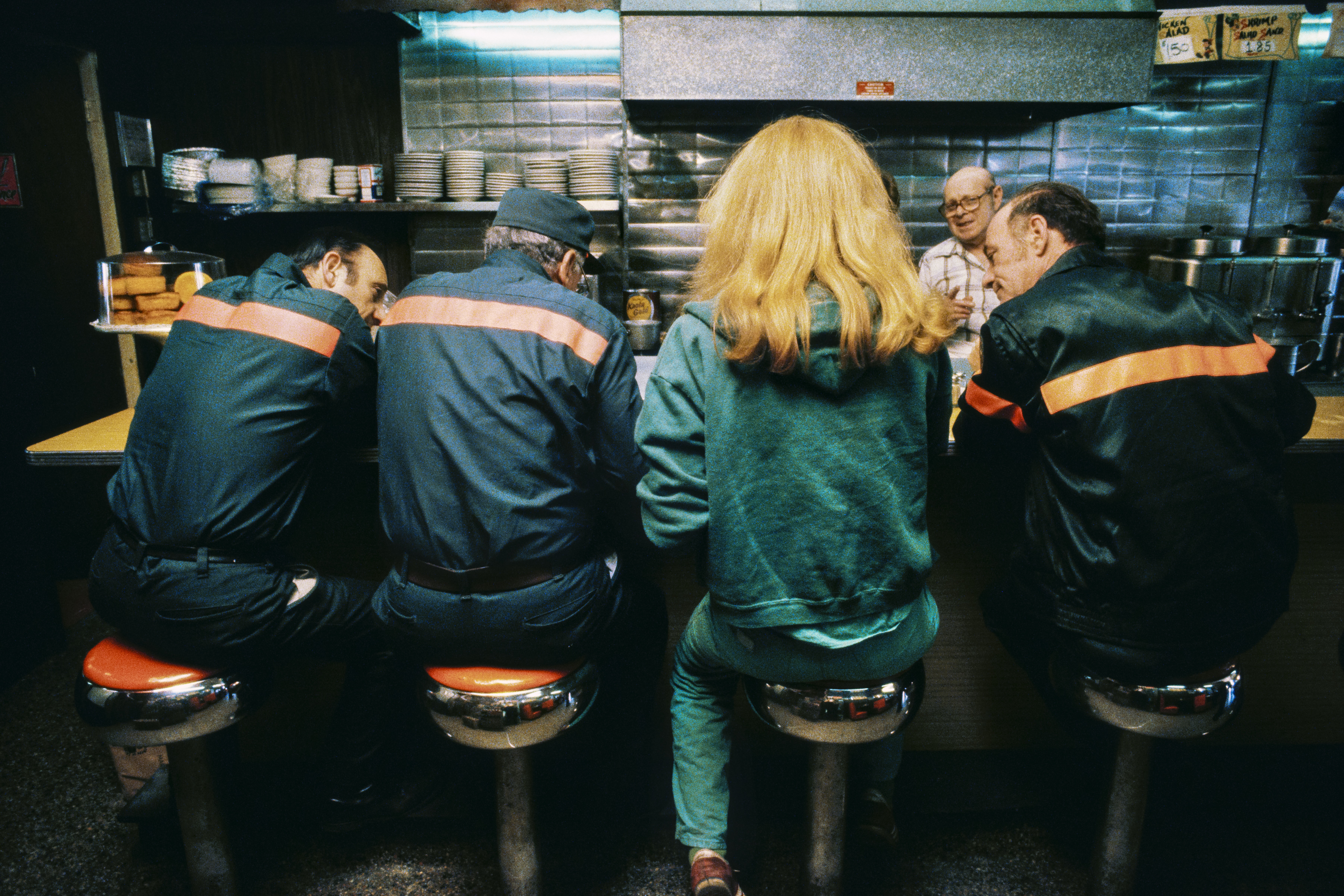
MAINTENANCE ARTIST
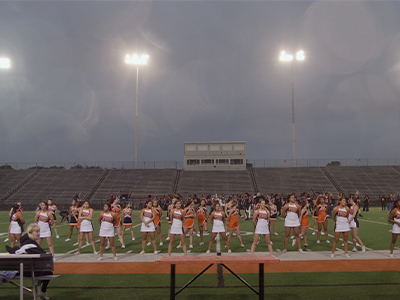
After becoming a mother disrupted her career as an artist, Mierle Laderman Ukeles published a daring manifesto: from now on, all her acts of childcare and household maintenance would be performance art. The Manifesto propelled Ukeles into the 1960’s avant-garde, a largely male scene that prized the solitary creator but scorned those who “keep the dust off the pure individual creation.”
Recognizing that this devaluation of care was systemic, Ukeles began scaling up her maintenance revolution to include collaborations with the often invisible cleaners and guards who care for museums — poking at the concealed hierarchies embedded in the white cube space. In 1977, in a move that would radically reframe public art, Ukeles was invited to establish an unprecedented artist-in-residency at the NYC Sanitation Department, where she championed a demeaned but essential class of workers within a vast urban system.
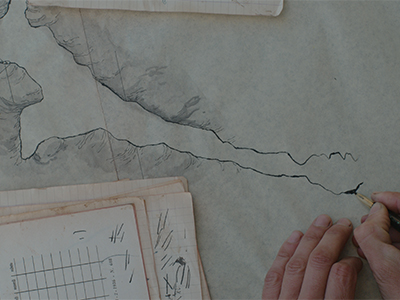
Set during the impassioned social and artistic upheavals of the late 20th century and using newly digitized archival footage, Maintenance Artist is the story of an artist who raised maintenance to an art form and became a force in contemporary art.
Recognizing that this devaluation of care was systemic, Ukeles began scaling up her maintenance revolution to include collaborations with the often invisible cleaners and guards who care for museums — poking at the concealed hierarchies embedded in the white cube space. In 1977, in a move that would radically reframe public art, Ukeles was invited to establish an unprecedented artist-in-residency at the NYC Sanitation Department, where she championed a demeaned but essential class of workers within a vast urban system.
Set during the impassioned social and artistic upheavals of the late 20th century and using newly digitized archival footage, Maintenance Artist is the story of an artist who raised maintenance to an art form and became a force in contemporary art.
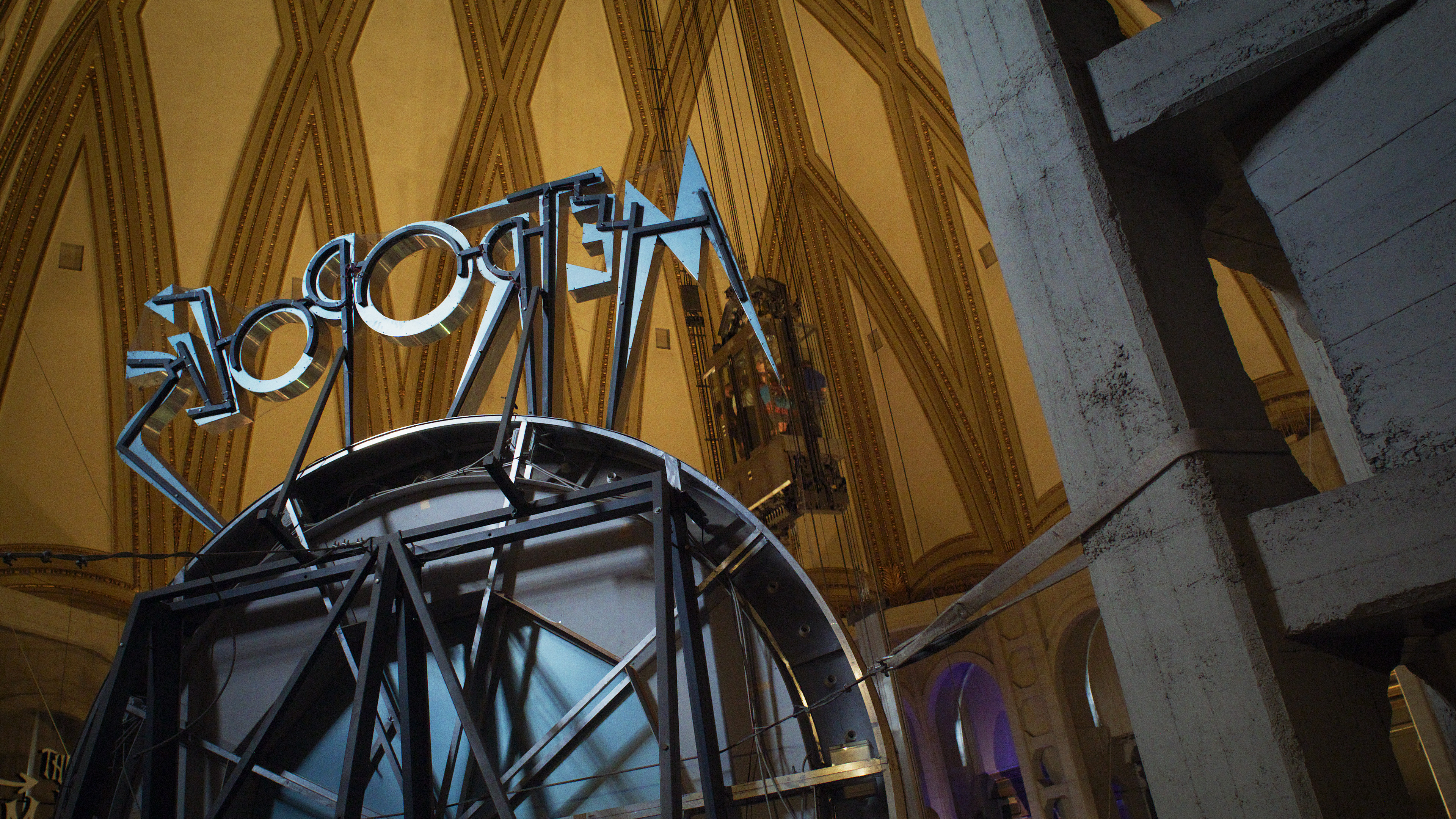
ECCE MOLE
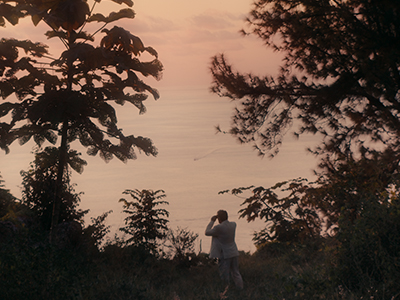
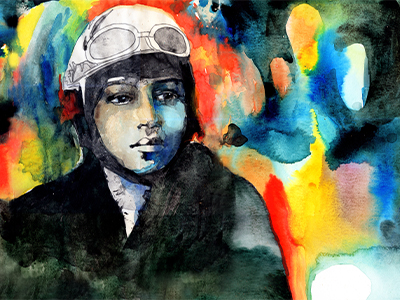
Part 36 in Heinz Emigholz’s Photography and beyond series, Ecce Mole contrasts two buildings designed by Italian architect Alessandro Antonelli (1798–1888) in Turin, located 500m apart: the private residence Casa Scaccabarozzi, more commonly known as the Fetta di Polenta (1840), and the Mole Antonelliana (1889). The Mole was initially intended to serve as a synagogue but was acquired by the city before its completion and became a monument to national unity, and ultimately the symbol of Turin. Dominating the city’s skyline, it remains the tallest unreinforced brick building in the world at 167.5m. Since 2000 the Mole has housed the National Museum of Cinema (Museo Nazionale del Cinema).
Ecce Mole is a concise and mysterious study of opposites: public and private; interior and exterior; up and down; reality and cinema; heaven and hell. It is the first of five short films commissioned by the Museo Nazionale del Cinema on the occasion of its 25th anniversary in the building. The shooting of the film took place in May 2025.
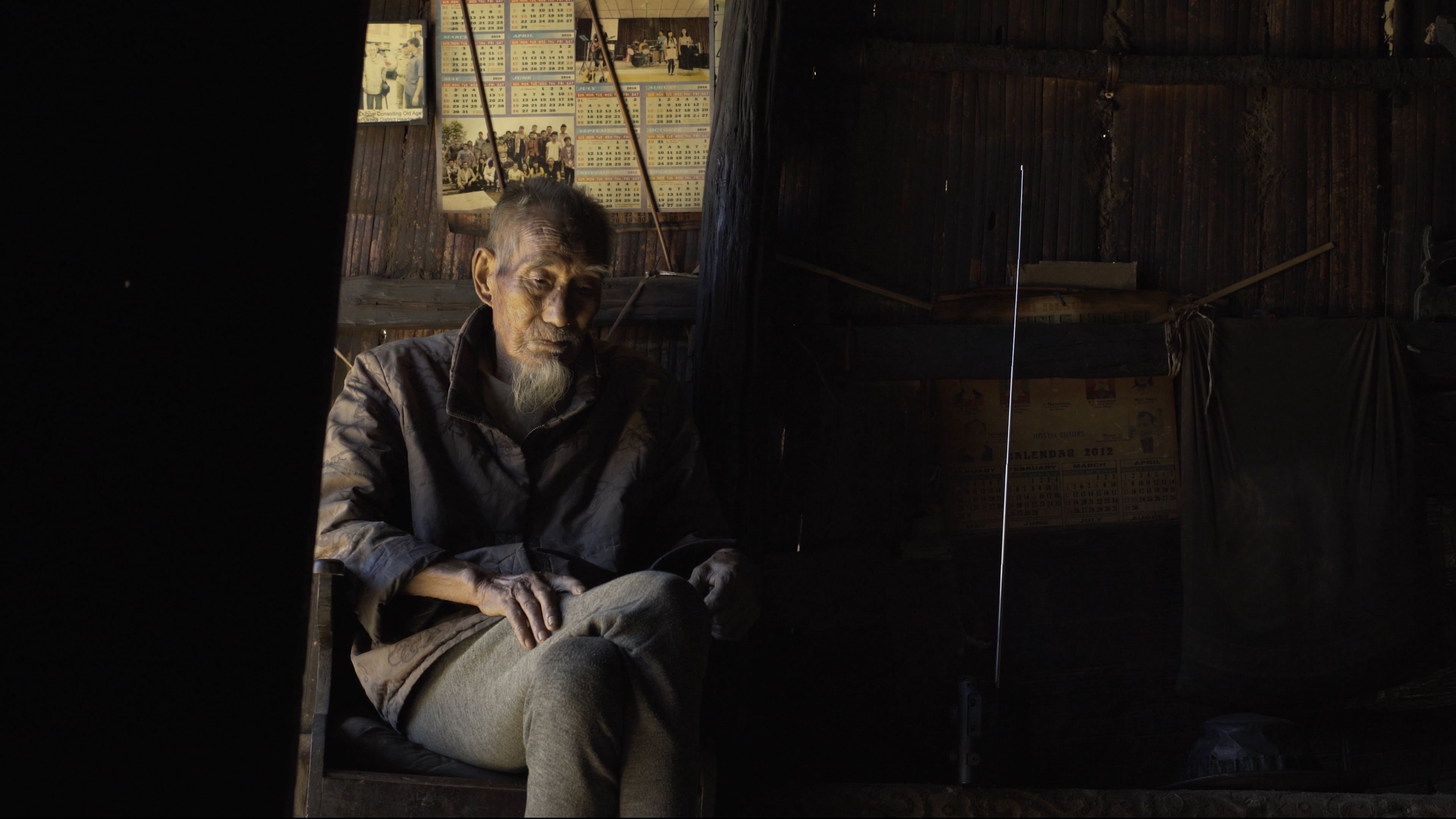
FLICKERING LIGHTS
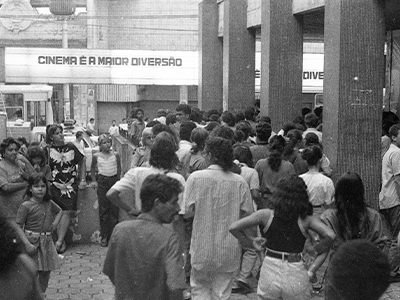
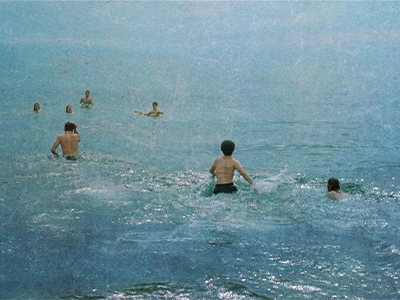
In the hills of northeast India, far from the Indian mainland and mainstream consciousness, there is a village of the Naga community called Tora. Years of neglect coupled with a long history of insurgency have meant that basic civic amenities are conspicuous by their absence.
Seventy years after Indian independence, the people hear that electricity is finally on its way. They are wary as they have been let down too often in the past. Khamrang, the grand old man of the village, watches with a skeptical eye. His real dream is to see his people attain sovereignty. Jasmine, a pragmatic woman, sees an opportunity in the coming of electricity. Does electricity arrive in Tora? Does it bring the promised joy?
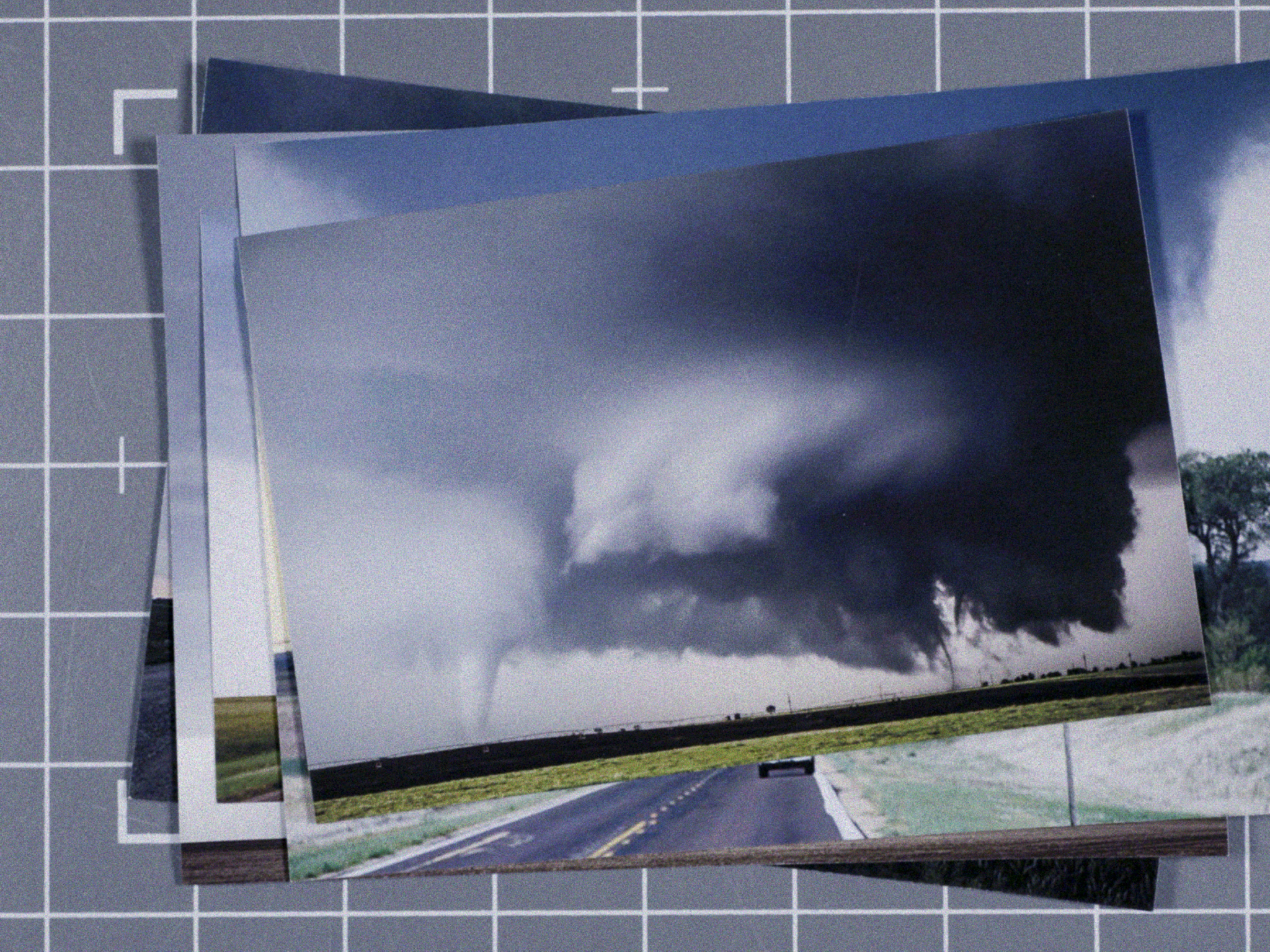
A BRIEF HISTORY OF CHASING STORMS
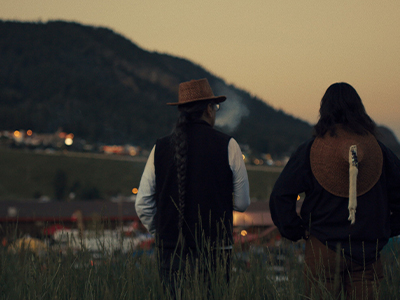
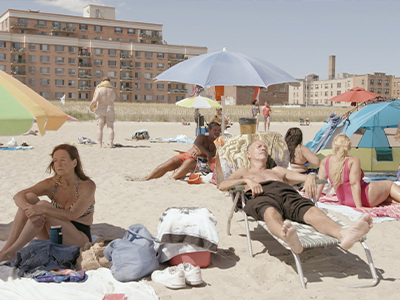
The tornado is both a destructive event and a uniquely American icon, one often fraught with collective tragedy. With wit and humour, this film unfolds like an episodic road movie, raising questions of memory, inequality, colonization, climate change, and disaster capitalism as it examines legacies of weather within this area of the United States dubbed “tornado alley."